2026 HPD Design Guidelines: What Affordable Housing Developers Need to Know
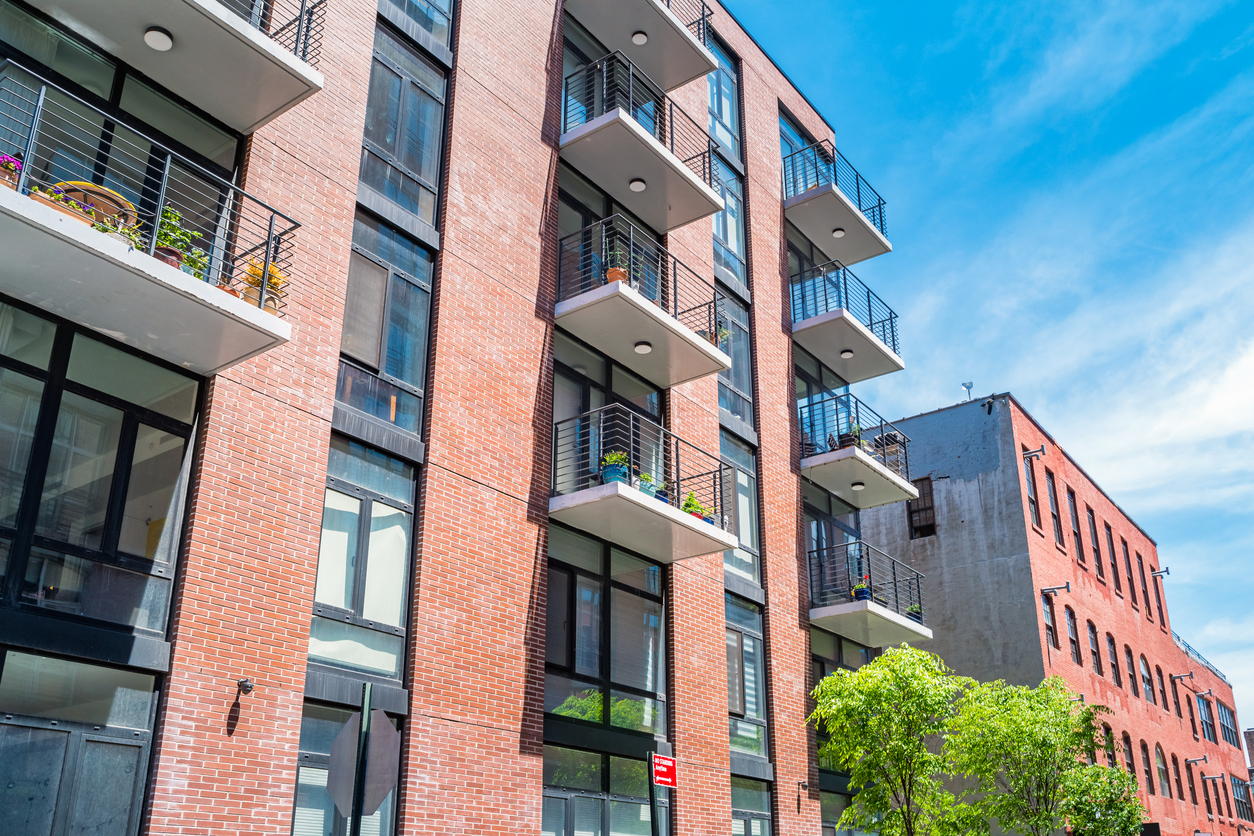
2026 HPD Design Guidelines: What Affordable Housing Developers Need to Know
The New York City Department of Housing Preservation & Development (HPD) has released the 2026 HPD Design Guidelines for New Construction, introducing important updates that will impact affordable housing developments throughout New York City.
Effective October 1, 2026, the revised guidelines include changes to design requirements, environmental review procedures, sustainability standards, and project documentation. Developers, owners, architects, lenders, and consultants planning affordable housing projects should familiarize themselves with these updates well before submitting projects for HPD review.
What Are the 2026 HPD Design Guidelines?
The HPD Design Guidelines establish the design, planning, and construction requirements for affordable housing projects seeking financing or approval through New York City’s Department of Housing Preservation & Development.
The newly released 2026 edition modernizes the previous guidelines to better align with current building codes, sustainability initiatives, and affordable housing policies while providing clearer direction for project teams.
When Do the New HPD Design Guidelines Take Effect?
The 2026 HPD Design Guidelines become effective on October 1, 2026.
Any project submitted for an HPD Building and Land Development Services (BLDS) Design Consultation on or after October 1, 2026, will be required to comply with the updated standards.
For projects currently in planning or design, now is the ideal time to evaluate how the new requirements may impact project schedules, budgets, documentation, and design decisions.
Why Did HPD Update the Design Guidelines?
The revisions support New York City’s ongoing efforts to accelerate the production of high-quality, resilient, and cost-effective affordable housing.
The updated guidance aligns with several recent initiatives and regulatory changes, including:
- City of Yes (COY)
- 2026 Enterprise Green Communities
- Climate Resiliency Design Guidelines (CRDG)
- 2026 NYC Energy Conservation Code (NYCECC)
- HCR 2025 Sustainability Guidelines
Together, these updates help ensure affordable housing projects are designed to meet evolving environmental, energy efficiency, and resiliency expectations.
Key Changes in the 2026 HPD Design Guidelines
A More User-Friendly Design Manual
One of the most noticeable improvements is the organization of the document itself. HPD has restructured the guidelines into a more intuitive format with clearer, more prescriptive requirements that make it easier for project teams to locate and interpret applicable standards.
Greater Focus on Building Resiliency
The updated guidelines emphasize strategies that improve long-term building performance, including measures to:
- Address extreme heat conditions
- Improve indoor environmental quality
- Reduce long-term energy consumption
- Support healthier living environments for residents
These changes reflect New York City’s continued commitment to resilient, sustainable affordable housing.
Increased Design Flexibility
The revised standards also provide additional flexibility for dwelling unit layouts, allowing project teams greater freedom when planning room sizes and interior space allocation while maintaining compliance with HPD requirements.
Updates to the HPD Design Review Process
In addition to updating the design requirements, HPD has modified its Design Review Process.
Most notably, Design Consultations will now include an Environmental Review Pathway determination as part of the review process. This change, driven by recent SEQRA reforms, is already in effect and may influence project planning, environmental documentation, and review timelines.
HPD has also announced that an updated Design Guidelines workbook will be available prior to the October 1 implementation date.
How These Changes May Affect Affordable Housing Projects
Although many of the revisions are intended to improve clarity and consistency, project teams should expect to review current design standards, environmental documentation, and project workflows before submitting new developments.
Early coordination between developers, architects, engineers, environmental consultants, construction professionals, and lenders can help identify potential compliance issues before they affect project schedules.
Planning ahead may also reduce redesign efforts, streamline agency review, and improve overall project delivery.
How Hillmann Supports Affordable Housing Development
Hillmann provides multidisciplinary consulting services that support affordable housing developments from due diligence through project completion.
Our professionals work alongside developers, owners, lenders, architects, and contractors to help manage risk, maintain compliance, and keep projects moving forward.
Our services include:
- Environmental Health & Safety | Building Sciences
- Due Diligence & Remediation Management
- Energy Consulting
- Construction Risk Management
- Development Advisory
- Analytical Testing Services
Whether you’re evaluating a new development opportunity or preparing for HPD review, our team can help navigate evolving regulatory requirements with confidence.
Partner with Hillmann
Regulatory requirements continue to evolve, making early planning more important than ever.
Hillmann’s multidisciplinary team helps clients understand changing requirements, identify project risks early, and navigate the complex technical and regulatory considerations associated with affordable housing development.
Contact Hillmann to learn how our consulting professionals can support your next affordable housing project.
Frequently Asked Questions
When do the 2026 HPD Design Guidelines become mandatory?
The updated guidelines apply to projects submitted for HPD BLDS Design Consultation on or after October 1, 2026.
Who is affected by the new HPD Design Guidelines?
Affordable housing developers, property owners, architects, engineers, lenders, consultants, and contractors working on HPD-funded or HPD-reviewed projects in New York City.
What is the biggest change in the 2026 guidelines?
The updates introduce a clearer, more prescriptive document structure while expanding guidance related to resiliency, sustainability, environmental review, and dwelling unit flexibility.
-
-

-
Commercial Real Estate Consulting Services
February 2, 2026
-

Philadelphia Building Energy Performance Program (BEPP)
January 28, 2026
